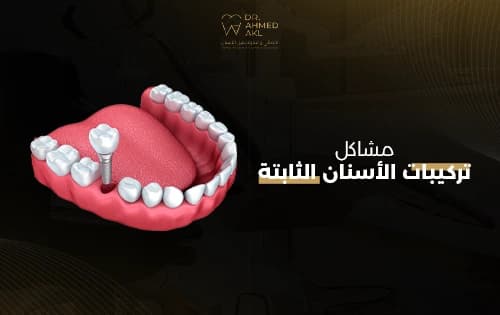
Signs of dental implant failure – symptoms, causes, and treatment
Dental implants are among the most successful modern options for replacing missing teeth, with success rates above 95% when performed by a specialist using high-quality materials.
Still, some cases develop what is known as dental implant failure—either early, soon after surgery, or later, after months or years.
This article covers the symptoms of implant failure, likely causes, how it is diagnosed and treated, and how to prevent problems for the best outcomes.
Success and failure rates for dental implants
Studies suggest implant success rates between about 90% and 98%, depending mainly on:
- The surgeon’s skill and precision.
- The quality of the implant systems used.
- The patient’s general health.
- Oral hygiene and aftercare.
In some cases, however, the implant may fail because of issues with implant components.
Early signs of dental implant failure
Early symptoms usually appear in the first weeks after placement and may include:
- Persistent or worsening pain that does not improve with time or pain relievers.
- Swelling or redness in the gum around the implant.
- Difficulty chewing or biting on the treated side.
- Repeated bleeding when brushing or eating.
- Pus or discharge from the gum.
- Poor wound healing or an unpleasant smell from the implant site.
After surgery, mild swelling or discomfort for a few days can be normal; ongoing or worsening symptoms suggest early failure and require prompt dental care.
Late signs of dental implant failure
These may appear months or even years after treatment:
- A loose or mobile implant.
- Gum recession exposing metal at the implant.
- Pain on biting or chewing after a period of stability.
- Chronic inflammation or recurring abscesses around the implant.
- Sudden loss of the crown or abutment.
These signs often point to loss of bone integration or deep inflammation in the gum and bone around the implant—it is best to book a consultation with Dr. Ahmed Akl.
What it means if the abutment falls out or the crown moves
- A loose crown or abutment does not always mean total implant failure.
- Sometimes the problem is the crown connection or the restoration, not the implant itself.
- If the implant fixture itself is mobile or has come out, there is usually failed osseointegration and treatment is needed.
Signs of successful implant placement and why implants succeed
Success shows that the body has accepted the implant and it is functioning as intended.
Common signs of success:
- The implant feels stable with no movement or pain when chewing.
- Swelling and inflammation decrease steadily in the first week.
- Pain fades over time; only simple analgesics are needed in the first days.
- The gum heals evenly around the implant without redness or bleeding.
- Eating and chewing become comfortable after healing.
Factors behind success
They include:
- Choosing an experienced implant dentist such as Dr. Ahmed Akl.
- Using high-quality implant systems that are biocompatible.
- Careful bone assessment before surgery to ensure enough support.
- Following post-op instructions on hygiene and follow-up visits.
- A healthy lifestyle with good nutrition and no smoking.
When these factors line up, implants are highly likely to last for many years without problems.
Success vs failure: how symptoms differ
| Situation | Symptoms |
|---|---|
| Successful implant | Mild pain that resolves within days – stable implant – quick healing – little or no swelling or bleeding |
| Failed implant | Severe ongoing pain – increasing swelling – loose implant – bleeding or pus – delayed healing |
Causes of dental implant failure
1. Patient-related factors
Smoking: reduces blood flow and slows bone healing.
Chronic disease: for example poorly controlled diabetes or osteoporosis.
Weakened immunity or medications such as long-term corticosteroids.
Poor oral hygiene after surgery.
2. Clinical or technical factors
Use of low-quality implant systems.
Incorrect implant angle or placement in weak bone.
Early loading before healing is complete.
Bacterial infection during or after surgery.
Why early diagnosis matters
To judge success or failure, your dentist may:
- Examine the gum and implant clinically.
- Check stability to assess osseointegration.
- Use 3D imaging (CBCT) to review bone density and healing.
- The earlier the diagnosis, the better the chance of saving the site.
Treatment when an implant fails
Early problems are often easier to manage and may be treated by stabilizing the implant components. With late failure, care may include:
- Cleaning the area and clearing infection or inflammation.
- Removing a failed, non-integrated implant when necessary.
- Bone grafting to rebuild the ridge before a new implant.
- Antibiotics if there is active infection.
- Re-implantation after a healing period, often about 3–6 months.
Sometimes a fixed bridge or other temporary option can replace a failed implant until the jaw is ready for a new implant.
Real cases: failure and success
- At Dr. Akl’s clinic, one patient lost an implant due to chronic inflammation; after treatment and grafting, a new implant was placed successfully with a stable smile.
- Another patient had implant mobility after six months linked to continued smoking; after quitting and re-treatment, the case succeeded.
Where to get implant complications treated in Egypt
Dr. Ahmed Akl is a leading cosmetic and implant dentist in Egypt and the region, with broad experience in immediate and digitally planned implants and outcomes patients trust.
- More than 15 years of experience in implants and veneers.
- Premium German and Swiss implant systems.
- Modern digital planning for implant placement (digital implant planning).
- Competitive pricing with flexible payment options.
Tips to reduce the risk of implant failure
- Choose an experienced specialist.
- Stop smoking before and after surgery.
- Follow all post-operative instructions.
- Keep up daily oral hygiene.
- Attend regular follow-up visits.
Our locations
📍 6th of October – Second District, opposite Al-Tawhid wal-Nour
Map link
📍 6th of October – near Cityscape Mall behind Silver Mall
Map link
📍 Sheikh Zayed – Arkan Mall Medical Center, 4th floor
Map link
📍 Dokki – 116 Mohyi El-Din Abou El-Ezz St., opposite the Hunting Club
Map link
📞 Booking: 01022323004
WhatsApp: Tap here
🔗 Book online: drahmedakl.com
Frequently asked questions (FAQs)
What percentage of dental implants fail?
Roughly 2–10%, often due to health factors or poor aftercare.
When do symptoms of failure appear?
Early failure may show in the first weeks; late failure can appear after months or years.
Can failed implants be treated?
Yes—by removing the compromised implant, treating infection, grafting bone if needed, then placing a new implant when the site is ready.
Does smoking cause implant failure?
Yes; smoking is a major risk factor because it impairs bone healing and raises infection risk.
How do I know my implant is successful?
A successful implant does not move, does not cause constant pain, and has no ongoing swelling or bleeding around it.